How to Create a Budget That Actually Works
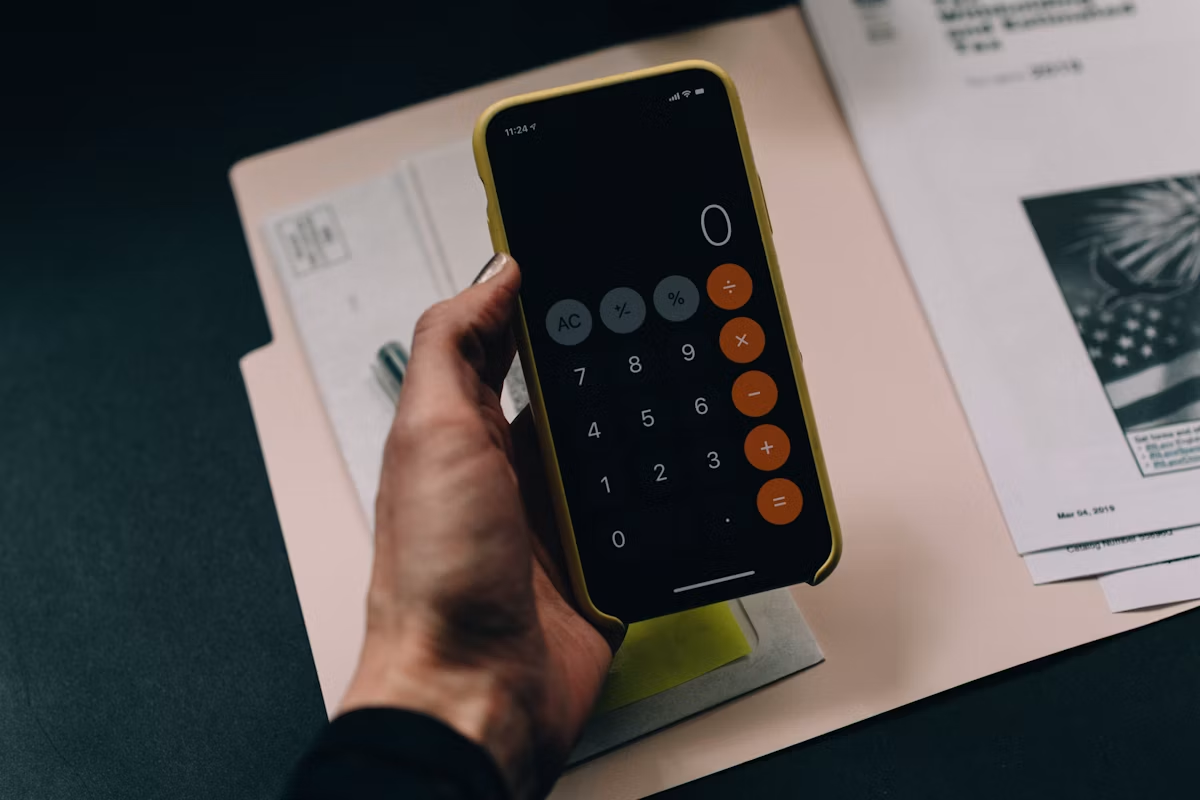
Creating a budget is one of the most effective ways to take control of your finances. A good budget allows you to understand where your money goes, avoid unnecessary spending, reduce financial stress, and work toward long-term financial goals. Contrary to popular belief, budgeting is not about restricting yourself—it is about giving every dollar a purpose.
Why Budgeting Is Important
Many people struggle financially not because they don't earn enough, but because they don't have a plan for managing their income. A budget helps you prioritize essential expenses, prepare for emergencies, and ensure that you're consistently saving for the future.
Whether you're a student, employee, freelancer, or business owner, having a monthly budget provides a clear picture of your financial situation and helps you make informed decisions.
Know Your Monthly Income
The first step in building a successful budget is calculating your total monthly income. Include your salary, freelance earnings, business income, rental income, or any other regular sources of money.
If your income varies each month, estimate based on your average earnings over the last six months.
Track Your Expenses
Before creating a budget, understand how you're currently spending your money. Review your bank statements, receipts, or mobile banking history.
Divide your expenses into categories such as:
- Housing or Rent
- Food and Groceries
- Transportation
- Utilities
- Insurance
- Entertainment
- Savings
- Debt Repayments
This process often reveals spending habits that can be improved.
Use the 50/30/20 Budget Rule
One of the simplest budgeting methods is the 50/30/20 rule:
- 50% for Needs (Rent, Utilities, Food, Transportation)
- 30% for Wants (Entertainment, Shopping, Dining Out)
- 20% for Savings and Debt Repayment
This guideline helps you balance enjoying your money today while preparing for tomorrow.
Create Realistic Spending Limits
A budget should fit your lifestyle. Setting unrealistic limits often leads to frustration and abandoning the budget altogether.
Instead, reduce unnecessary expenses gradually while leaving room for occasional treats and entertainment.
Build an Emergency Fund
Unexpected expenses happen to everyone. Medical bills, car repairs, or job loss can quickly create financial hardship.
Aim to save three to six months' worth of living expenses in an emergency fund. Start small—even saving a little consistently makes a difference over time.
Review Your Budget Every Month
Your financial situation changes over time, so your budget should too.
Review your spending each month and make adjustments when necessary. This habit keeps your budget accurate and helps you stay on track toward your financial goals.
Common Budgeting Mistakes
- Not tracking daily expenses.
- Ignoring irregular expenses.
- Setting unrealistic savings goals.
- Failing to prepare for emergencies.
- Giving up after one bad month.
Remember, budgeting is a long-term habit—not a one-time activity.
Benefits of Having a Budget
- Better control over your finances.
- Reduced financial stress.
- Increased savings.
- Faster debt repayment.
- Greater confidence in financial decisions.
- Improved long-term wealth building.
Conclusion
A budget is one of the most powerful financial tools available. It helps you spend intentionally, save consistently, and prepare for the future. The best budget isn't the most complicated one—it's the one you can stick to.
Start today by tracking your income, organizing your expenses, and creating a realistic financial plan. Small improvements made consistently can lead to significant financial success over time.